
A Slow Journey of Growing a Forest
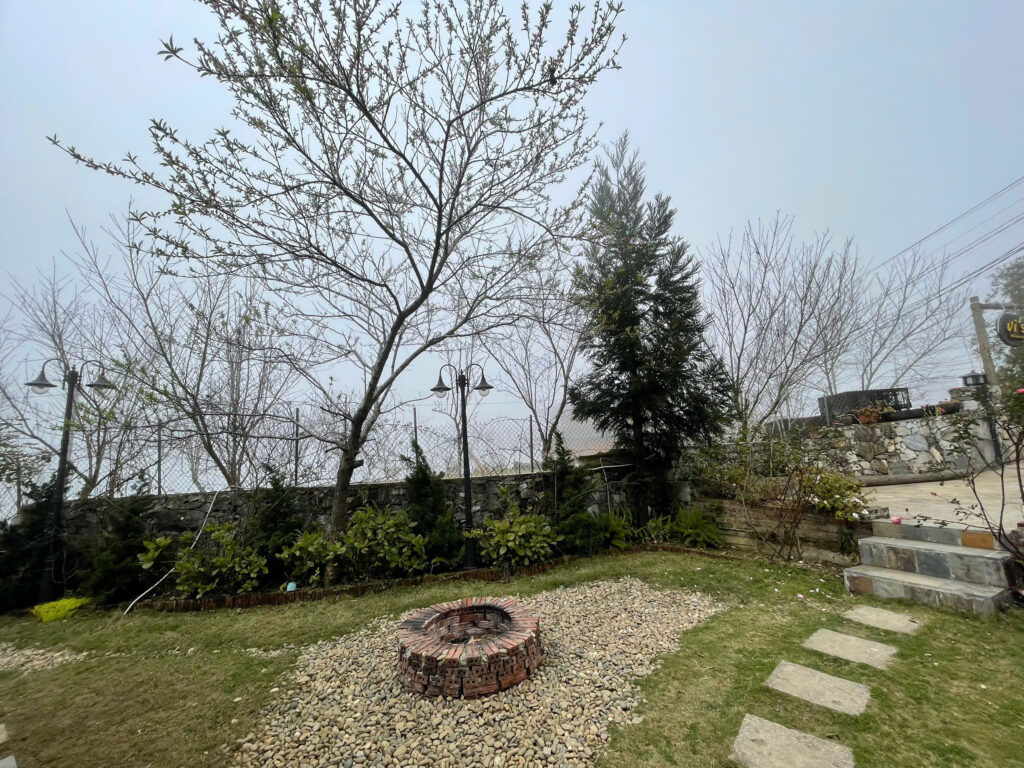
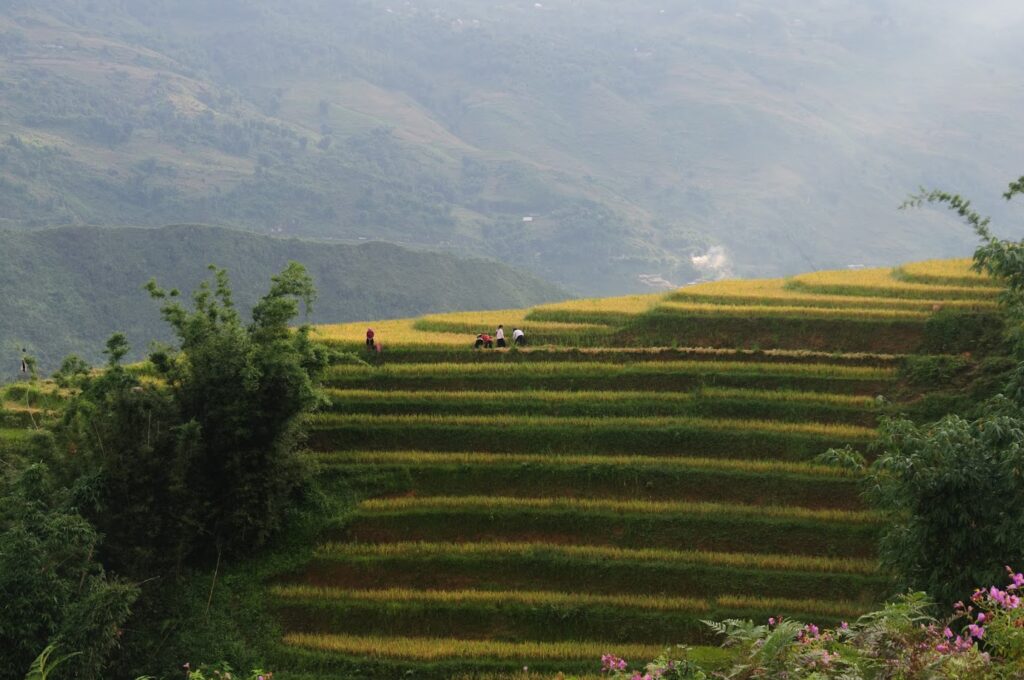
Living in the mountains changes the way you see nature.
After spending time in Sa Pa, especially in quiet villages like Sâu Chua, it’s easy to fall in love with conifer trees — especially pine trees.
There is something about them: calm, quiet, and deeply connected to the mountain landscape.
Starting with Small Pine Trees
Our journey began with small pine trees, each only about 70 cm tall.
At that time, there was no big plan — just a simple idea: plant a few trees and see how they grow in the mountain environment.
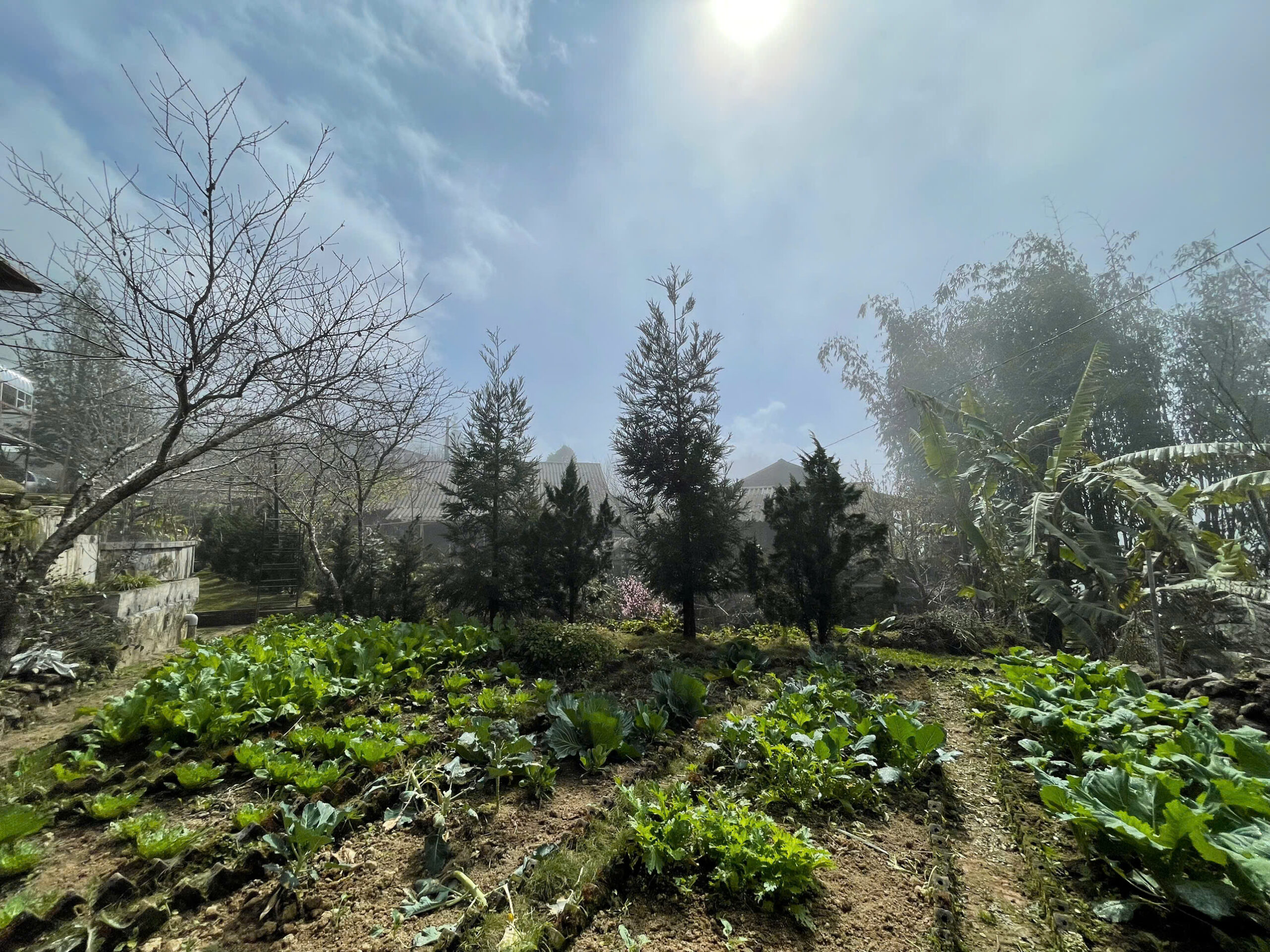
Years later, those small trees have grown into tall, strong pines, standing firmly through wind, mist, and changing seasons. Watching them grow is not just about trees — it is about time, patience, and connection with the land.
Why Pine Trees Grow Well in Sa Pa
Pine trees are well suited to the climate of northern Vietnam’s highlands.
• They tolerate cold weather and mountain winds
• They grow well on sloped land with natural drainage
• They require minimal maintenance once established
But beyond practicality, people choose to plant pine trees because of the feeling they bring.
A space with pine trees feels:
- quieter
- cooler
- more grounded
Unlike fast-growing plants, pine trees develop slowly. Over time, they create a landscape that becomes more beautiful with age.
How to Plant Pine Trees in Mountain Areas
Planting pine trees in places like Sâu Chua, Sa Pa is not difficult, but it requires patience and the right conditions.
1. Choose healthy young trees
Pine trees around 50–80 cm tall are ideal. They are strong enough to adapt to new environments.
2. Ensure good soil drainage
Pine trees do not grow well in waterlogged soil. Mountain slopes naturally provide good drainage, which is perfect for them.
3. Plant during the right season
The best time is early spring or the beginning of the rainy season, when the soil has enough moisture.
4. Care during the early stage
In the first 1–2 years, protect the trees from animals, remove weeds, and water them during dry periods.
After this stage, pine trees can grow naturally with very little intervention.
Growing a Forest Takes Time
Planting trees is only the beginning.
The real challenge is protecting and maintaining the forest over time.
In mountain areas, forests can be affected by:
- livestock grazing
- land clearing or burning
- uncontrolled wood harvesting
To successfully grow and protect a pine forest, it is important to:
• Protect the planting area from damage
• Limit human impact and allow natural growth
• Combine pine trees with native plants to improve biodiversity
• Be patient — forests take decades to grow
A true pine forest is not created in a few years. It may take 10, 20, or even 30–40 years to fully develop.
A Simple Dream: A 30–40 Year Pine Forest
For many people, planting trees is just a small activity.
But for those living in the mountains, it can become a long-term dream.
Planting one tree at a time.
Watching them grow year after year.
And one day, seeing a whole forest that has grown alongside your life.
To have a pine forest that is 30–40 years old — that is already a meaningful success.
Pine Trees at Vi’s House, Sa Pa
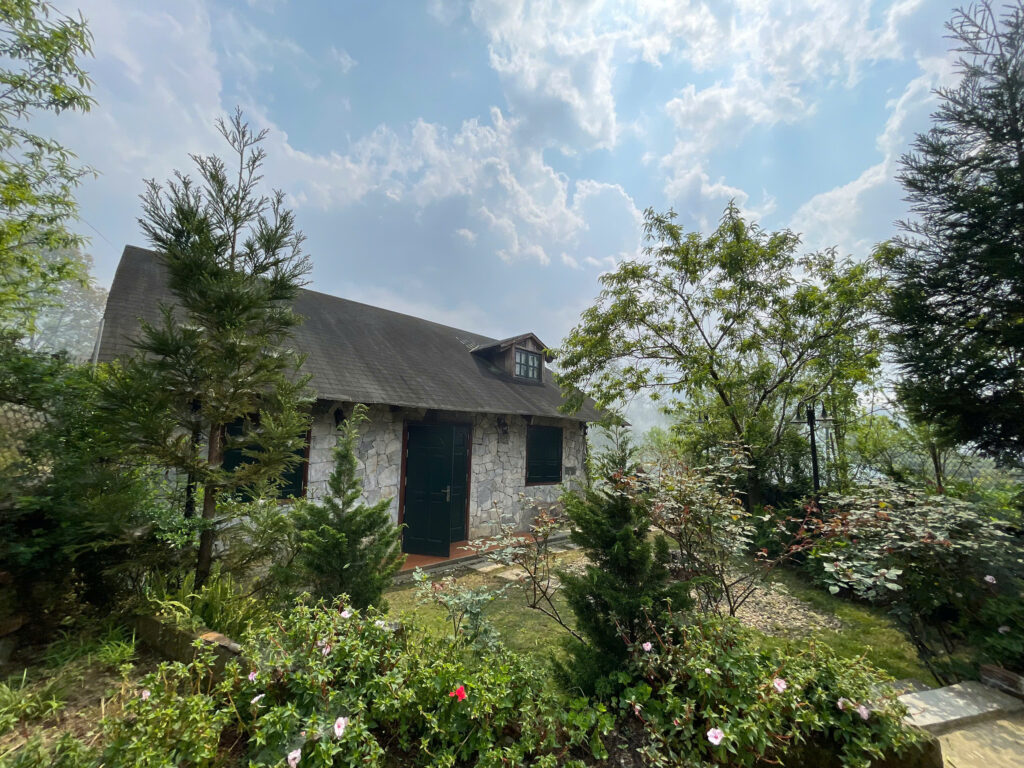
At Vi’s House in Sâu Chua, pine trees are still growing day by day.
They are not just part of the landscape — they are part of the living environment.
They bring shade, fresh air, and a sense of calm to the space.
They grow quietly, just like the slow rhythm of life in the mountains.
If you visit now, the trees may still be young.
But if you return in a few years, you may find them becoming part of a small forest.
Experience Nature and Slow Living in Sa Pa
Staying in places like Sâu Chua village offers more than just a view.
It is a chance to experience a different way of living — closer to nature, slower, and more intentional.
Pine trees, gardens, mist, and mountains all come together to create a peaceful atmosphere that is hard to find elsewhere.
At Vi’s House, this journey is still growing — just like the trees.
A slow journey, but one worth waiting for.